
BinaryOptionRanking symbolBinaryOptionRanking
Guide

Binary options vs forex, CFDs, futures and options

How fixed-payout contracts differ from forex, CFDs, crypto futures, vanilla options, event contracts, and other derivatives.

Reminder: Education does not reduce the high-risk all-or-nothing nature of binary options.
Binary options vs forex, CFDs, futures and options visual
Broker selection guide

Binary options and leveraged derivatives use different risk mechanics

A crypto binary option has a fixed stake, stated condition, expiry, and fixed payout outcome. Dated crypto futures use margin, leverage, mark-to-market profit and loss, and a settlement date. Perpetual futures add periodic funding and no fixed maturity. Neither should be compared by payout rate.

The same separation applies to forex or stock CFDs, conventional futures, vanilla options, and many exotic options. Event contracts and synthetic indices can also use binary-style outcomes, but their venue, pricing source, and legal structure may differ.

Binary option
Binary option

Fixed stake, fixed condition, fixed expiry, and published payout.

Crypto futures
Crypto futures

Leveraged price exposure with margin, liquidation risk, and dated settlement; perpetuals additionally use periodic funding.

CFD or forex derivative

Profit and loss changes with price movement rather than a fixed binary payout.

Vanilla or exotic option

Premium-based option value and exercise rights differ from broker fixed-payout contracts.
Decision question

Is the product fixed-payout, leveraged price exposure, or premium-based optionality?

Use the comparison below to identify the contract or account rule that must be visible before a broker can be evaluated.

Binary optionFixed stake and outcome
Crypto futuresMargin, leverage, funding, liquidation
CFDPrice-difference profit or loss
Vanilla optionPremium, strike, expiry, exercise right
Common misreads

Common mistakes

Check the matching broker review field before using this assumption to compare brokers.

Risk
Crypto binary options are not crypto ownership
Risk
Futures and CFDs can lose more through leverage mechanics
Risk
Barrier and exotic option terminology can overlap while payoff structures differ
Worked comparison

A practical binary options vs forex, cfds, futures and options example

A 10-unit binary contract can lose the stated stake. A leveraged CFD or futures position has a changing profit or loss, margin requirements, and possible liquidation before the user closes it.

Binary optionFixed condition, fixed expiry, and predetermined settlement.
CFD or futuresVariable price exposure, margin, leverage, and open-position management.
Vanilla optionPremium, strike, expiry, exercise style, and optional early sale where a market exists.
Practical audit

Turn binary options vs forex, cfds, futures and options into a broker check

Normalize exposure before comparing products. A binary option limits the ordinary loss to its stake, while a CFD, leveraged forex position, futures contract, or written option can use margin and a different maximum-loss formula. A long vanilla option pays a premium for rights that are not present in a fixed-payout binary contract.

Verification workflow

01
Write the payoff formula

Use fixed payout or lost stake for a binary option; price move times notional minus costs for a CFD; price move times contract multiplier for futures; and intrinsic value minus premium for a long vanilla option.

02
Separate margin from maximum loss

Margin is collateral, not automatically the maximum loss. Record leverage, liquidation or margin-call mechanics, negative-balance treatment, and whether an option position is bought or written.

03
Identify the lifecycle

Dated futures have settlement dates; perpetual futures commonly use periodic funding; CFDs may charge overnight financing; long options decay and expire; binary contracts settle at their stated event or expiry.

04
Compare venue and counterparty

Record whether the product is exchange-traded or OTC, who holds client funds, how prices are formed, whether early exit is available, and which dispute protections apply to the account.

Research workflow

Build a usable comparison record

Do not compare fixed-payout products with leveraged derivatives through one return percentage. The risk unit, settlement process, and loss mechanism are different.

01
Risk unit

Identify whether the maximum loss is the stake, margin, premium, or a variable marked-to-market amount.

02
Holding model

Check fixed expiry, open-ended exposure, funding, liquidation, exercise, or delivery terms.

03
Price source

Separate a broker fixed-outcome contract from exchange, OTC, synthetic, or CFD pricing.

Broker comparison

What to compare in a broker

Keep fixed-payout broker comparisons separate from leveraged derivatives. Crypto futures, CFDs, and conventional options use margin, price movement, contract value, and exit mechanics that do not fit the binary-option ranking table.

Common mistake

Comparing a binary payout percentage with futures leverage, CFD returns, or an option premium. These numbers describe different products and cannot be normalized into one broker score.

Compare brokers on this feature

Brokers to compare next

These brokers lead the Price source field connected to this guide. Open a review to compare the supporting condition and its limits.

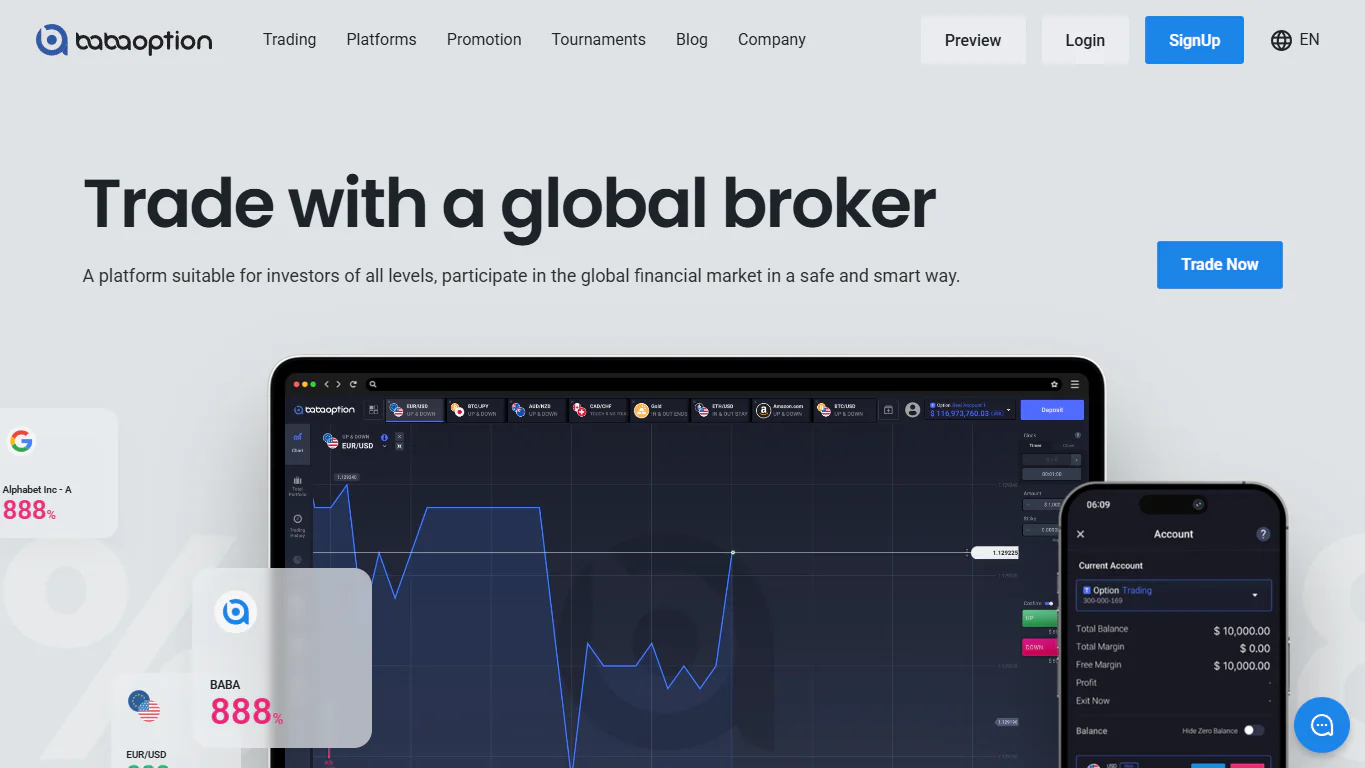
BABAOPTION platform view for Binary options vs forex, CFDs, futures and options#1
BABAOPTION symbolBABAOPTIONPrice source: Real Market

BABAOPTION ranks first because its available platform materials show market-reference symbols without separate broker-priced OTC instruments.

May not suit: The 70+ asset catalog is smaller than the largest catalogs in this comparison

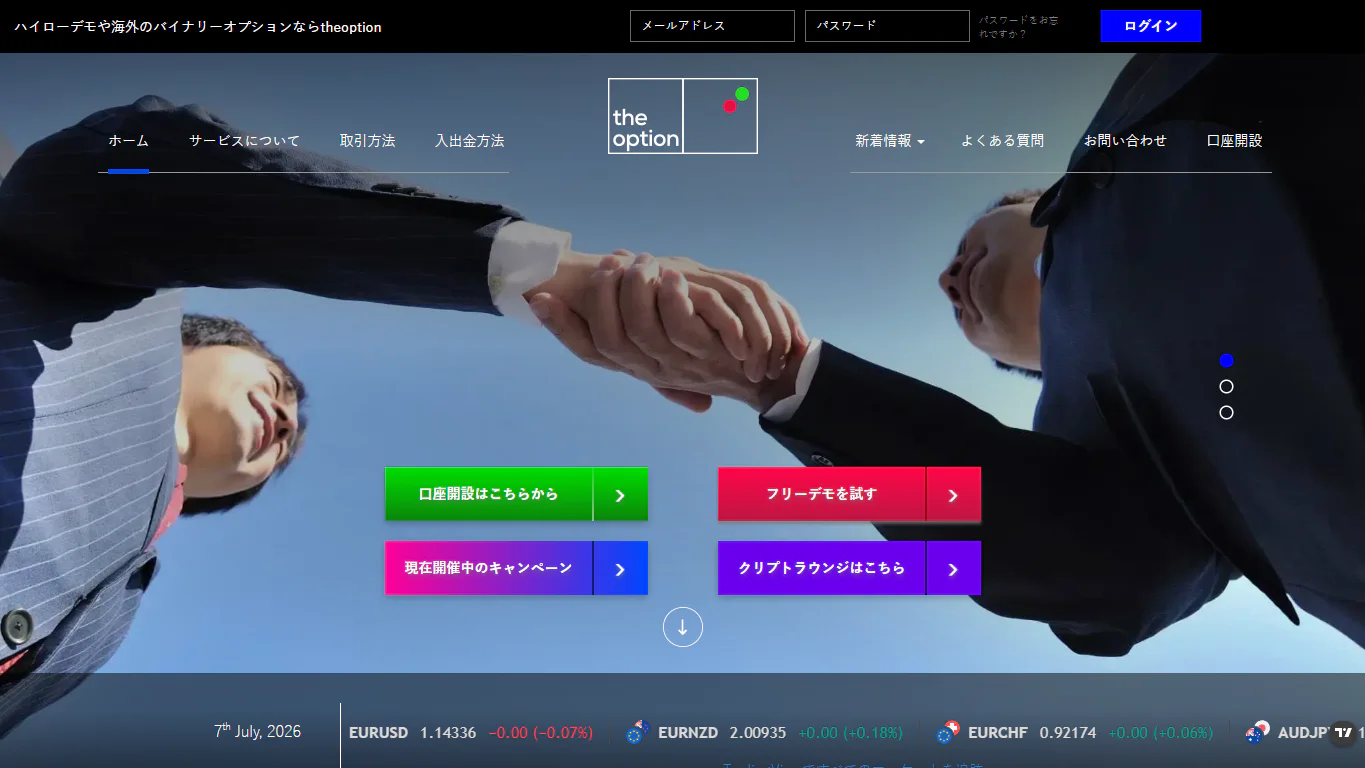
theoption platform view for Binary options vs forex, CFDs, futures and options#10
theoption symboltheoptionPrice source: Real Market

No OTC-labeled instruments were identified in the Japan-focused product range; its overall asset list remains comparatively narrow.

May not suit: Users seeking broad global availability

Deriv platform view for Binary options vs forex, CFDs, futures and options#3
Deriv symbolDerivPrice source: Real + Synthetic

Deriv combines real-market instruments with proprietary synthetic indices whose prices are generated separately from ordinary market-reference products.

May not suit: Users who want only real-market price references

Broker checklist

How fixed-payout contracts differ from forex, CFDs, crypto futures, vanilla options, event contracts, and other derivatives. Use broker reviews and rankings only after checking restrictions, payment terms, and current broker terms.

Check

Demo and order flow

Test the workflow without deposit pressure and confirm payout, expiry, settlement, and history screens.

Avoid

Unclear money rules

Do not judge a broker only by headline payout or bonus if withdrawal, KYC, or locked-fund terms are unclear.

How to verify a broker claim

Use primary records first. Reviews and comparison pages can reveal patterns, but they do not establish authorization, contract rules, or dispute rights.

1. Regulator register and warning listMatch the legal entity, exact domain, permitted product, client type, and jurisdiction. A company registration or general financial licence does not automatically cover binary options.
2. Governing terms and contract specificationSave the entity-specific terms that define payout, strike or barrier, expiry, price source, settlement, rejection, correction, KYC, bonus, and withdrawal rules.
3. Account and platform evidenceRecord dated order tickets, cashier limits, transaction IDs, status changes, support correspondence, and settlement history for the account and region being assessed.
4. User reports and comparison cross-checksUse repeated reports to identify questions that need verification. Do not use an anonymous review or comparison score as proof of legality, pricing, or withdrawal performance.