
BinaryOptionRanking symbolBinaryOptionRanking
Guide

Binary options vs digital options

How binary options, digital options, and Fixed Time Trades differ by strike control, payout, expiry, and broker terminology.

Reminder: Education does not reduce the high-risk all-or-nothing nature of binary options.
Binary options vs digital options visual
Broker selection guide

Binary options, digital options, and FTT use overlapping labels

In formal derivatives language, digital option and binary option can describe the same predefined-payoff structure. Some platforms instead reserve Digital for a strike-selectable mode, while Fixed Time Trade (FTT) usually describes a fixed-duration Up/Down mode.

Broker terminology is inconsistent. The useful comparison is the actual order flow: contract condition, strike control, expiry, payout, stake, price source, and final settlement history.

Binary option
Binary option

A fixed-outcome contract settled by a stated condition.

Digital option
Digital option

It can be a synonym for binary option or a broker-specific mode; verify the actual contract mechanics.

Fixed Time Trade
Fixed Time Trade

A broker-specific fixed-duration direction mode, commonly using Up/Down choices.

Comparison rule
Comparison rule

Compare the visible contract mechanics, not the product label alone.

Decision question

Does the platform show how strike selection changes the contract condition and displayed payout before confirmation?

Use the comparison below to identify the contract or account rule that must be visible before a broker can be evaluated.

Binary optionFixed condition and payout
Digital optionSelectable strike and variable payout
FTTDirection plus fixed expiry
Common misreads

Common mistakes

Check the matching broker review field before using this assumption to compare brokers.

Risk
Digital does not mean safer or more transparent
Risk
FTT is a broker product label, not one universal rule set
Risk
A higher strike-based payout usually means a harder condition
Worked comparison

A practical binary options vs digital options example

A platform offers an at-the-money binary at 85% and a selectable digital strike above the current price at 180%. The higher figure comes with a harder settlement condition.

BinaryReference is fixed near entry and the payout is shown for that condition.
DigitalMoving the strike changes both the condition and displayed payout.
ComparisonRecord the strike, payout, expiry, and final settlement rule together.
Practical audit

Turn binary options vs digital options into a broker check

Do not assume that Binary, Digital, and Fixed Time Trade identify universal product classes. Digital can be a formal synonym for binary option or a platform label for a strike-selectable mode. Compare the actual contract mechanics and retain the label only as the broker uses it.

Verification workflow

01
Create a label map

Copy the broker's product name and pair it with the formal condition: predefined cash payoff, user-selected or fixed strike, fixed or changing payout, expiry, equality rule, and settlement source.

02
Compare the same scenario

Use the same asset and expiry for a fixed-strike Up contract and a selectable-strike Digital mode. Record how moving the strike changes the condition and displayed return without treating either payout as a probability.

03
Check exit mechanics

Confirm whether the contract is held to expiry, can be resold, or can close early at a platform quote. An early-exit value is not the same as the fixed expiry payout.

04
Inspect history quality

A useful history record preserves the selected strike, payout, acceptance time, expiry, final value, and result. If history collapses both products into the same vague label, post-trade verification is weaker.

Research workflow

Build a usable comparison record

The useful distinction is not the marketing label. It is whether the platform changes the strike, condition, expiry, and payout in a visible, reviewable order flow.

01
Strike selection

Confirm whether the user can move the strike or whether the platform fixes the reference at entry.

02
Payout change

Note how the displayed return changes when a strike or barrier is changed.

03
Contract history

Check whether the selected condition survives into the post-settlement record.

Broker comparison

What to compare in a broker

Check the order ticket rather than the marketing label. A digital option may add selectable strikes and variable payouts, while Fixed Time Trades usually emphasize direction and preset expiry.

Common mistake

Assuming binary options, digital options, and FTT are interchangeable across brokers. Product access, payout calculation, strike control, and terminology vary by platform and account.

Compare brokers on this feature

Brokers to compare next

These brokers lead the Payout rate field connected to this guide. Open a review to compare the supporting condition and its limits.

BABAOPTION platform view for Binary options vs digital options#1
BABAOPTION symbolBABAOPTIONPayout rate: Up to 880%

BABAOPTION lists four contract families with a maximum payout rate of up to 880%. Strike and barrier controls allow the displayed payout to be adjusted in 1% steps as the contract condition changes.

May not suit: The 70+ asset catalog is smaller than the largest catalogs in this comparison

IQ Option platform view for Binary options vs digital options#6
IQ Option symbolIQ OptionPayout rate: Up to 800%

IQ Option can show very high digital-option returns when strike selection changes the probability profile, but that figure is not the same as a standard fixed-time payout on every asset.

May not suit: Users who want uniform binary-option access in every country

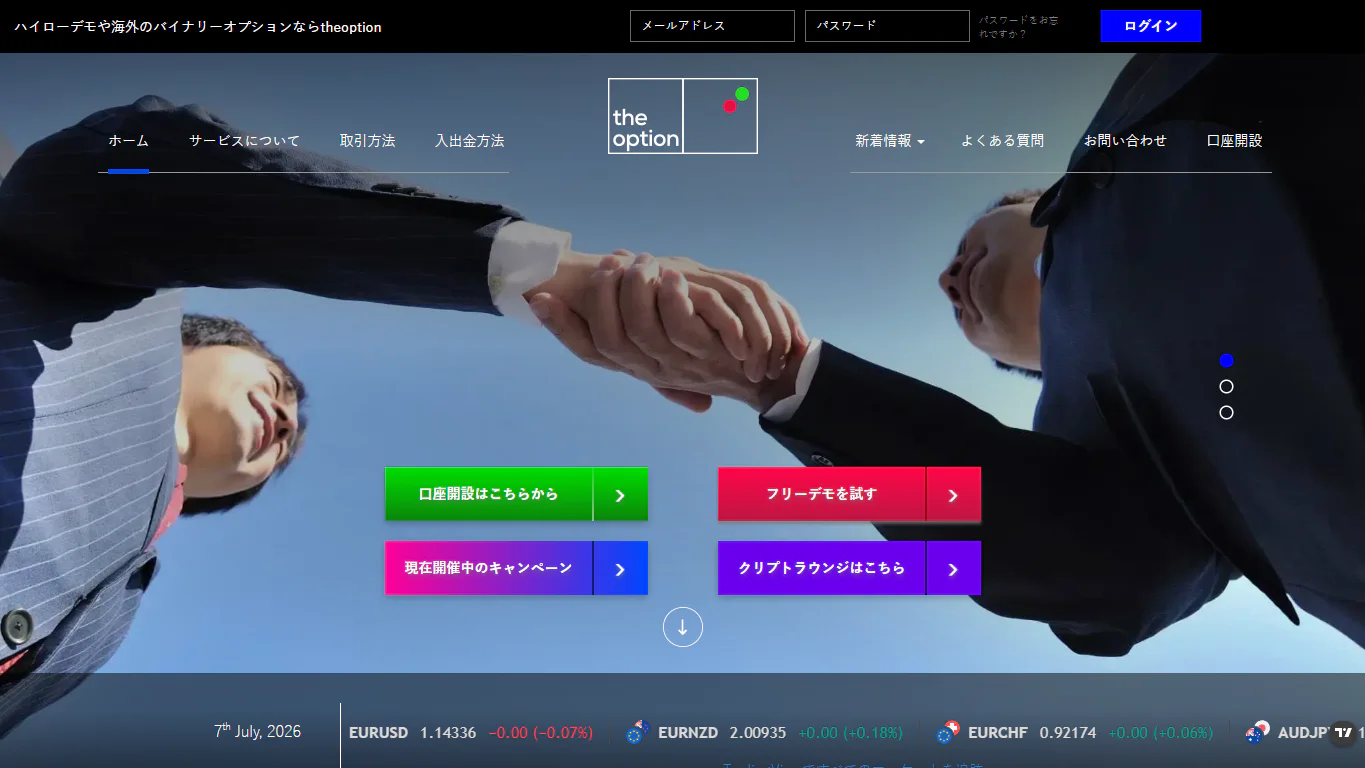
theoption platform view for Binary options vs digital options#10
theoption symboltheoptionPayout rate: Up to 400%

TheOption shows a high maximum on selected localized products, while its overall product range is narrower than global multi-market platforms.

May not suit: Users seeking broad global availability

Broker checklist

How binary options, digital options, and Fixed Time Trades differ by strike control, payout, expiry, and broker terminology. Use broker reviews and rankings only after checking restrictions, payment terms, and current broker terms.

Check

Demo and order flow

Test the workflow without deposit pressure and confirm payout, expiry, settlement, and history screens.

Avoid

Unclear money rules

Do not judge a broker only by headline payout or bonus if withdrawal, KYC, or locked-fund terms are unclear.

How to verify a broker claim

Use primary records first. Reviews and comparison pages can reveal patterns, but they do not establish authorization, contract rules, or dispute rights.

1. Regulator register and warning listMatch the legal entity, exact domain, permitted product, client type, and jurisdiction. A company registration or general financial licence does not automatically cover binary options.
2. Governing terms and contract specificationSave the entity-specific terms that define payout, strike or barrier, expiry, price source, settlement, rejection, correction, KYC, bonus, and withdrawal rules.
3. Account and platform evidenceRecord dated order tickets, cashier limits, transaction IDs, status changes, support correspondence, and settlement history for the account and region being assessed.
4. User reports and comparison cross-checksUse repeated reports to identify questions that need verification. Do not use an anonymous review or comparison score as proof of legality, pricing, or withdrawal performance.